Across Huntington County we repair and replace boilers, gas and propane furnaces, central air and heat pumps. Older houses in Huntington bring boiler leaks, cold radiators and venting issues, Roanoke brings newer furnace and AC work, and farm properties near Andrews and Warren bring propane heat calls. We pick up the phone 24/7.
Southwest of Allen County, US 24 follows the Wabash River into Huntington County. The city of Huntington is the county seat, with Roanoke, Andrews and Warren as the smaller towns. Huntington itself has many homes built when boilers were the standard, and plenty of those homes still have them. That makes the county one of our busier areas for hydronic heat.
Away from the river towns, the county is largely farm ground, and farm properties have their own heating needs: propane furnaces, outbuildings and older forced-air systems retrofitted into farmhouses. Roanoke has a historic main street and newer homes close by. Landcons covers it all with technicians who are as comfortable with a cast iron boiler as with a variable-speed furnace.
Older Huntington houses still running on hot water heat
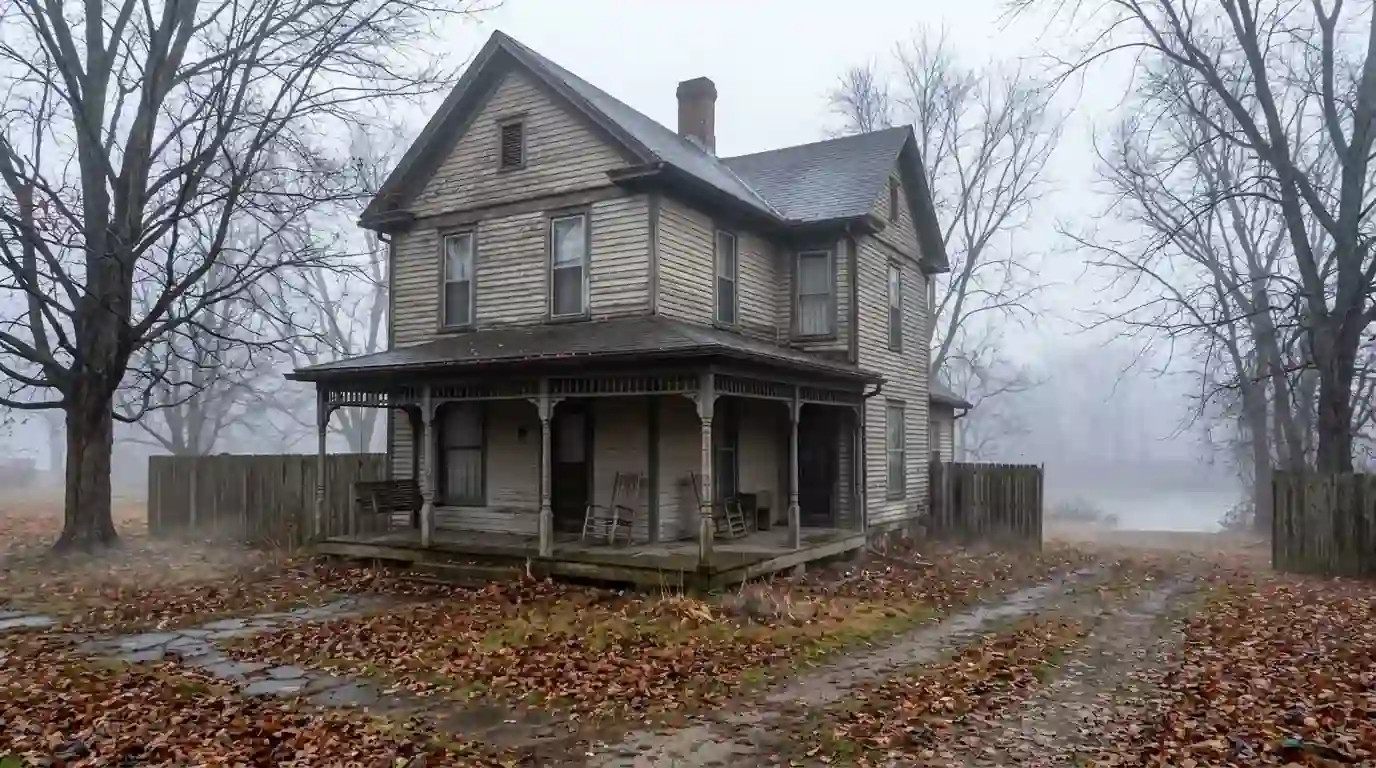
A cast iron boiler with radiators is a durable system. The block itself can last decades, but the parts around it wear out: circulator pumps, zone valves, aquastats, relief valves and expansion tanks. Most no-heat boiler calls in Huntington come down to one of those parts, not the boiler itself. We also find old gravity hot water systems that were converted to pumped systems, which sometimes leaves oversized piping and slow heat recovery.
When the boiler does need replacing, owners often ask whether to switch to a furnace. In a house with no ductwork, keeping hydronic heat is usually cheaper and more comfortable. A modern condensing boiler with an outdoor reset control can cut fuel use noticeably, though venting through an old chimney needs a liner or a sidewall vent. For cooling, ductless heads avoid cutting into plaster to add ducts.
The jobs Huntington County homeowners call us for
Some of these are year-round; others spike with the first cold week of fall.
Cold radiators upstairs
Trapped air and weak circulation leave second-floor radiators lukewarm. Bleeding, checking fill pressure and testing the circulator usually brings them back.
Leaking boiler or piping
We find the leak source, whether it is a valve, a fitting or the boiler sections. Fitting leaks are a quick repair; a leaking cast iron section usually means replacement.
Furnace failures in Roanoke homes
Newer homes near Roanoke run standard gas furnaces that fail in familiar ways: igniters, pressure switches, inducer motors and flame sensors. We carry these parts on the truck.
Propane heat on farms near Andrews and Warren
Propane furnaces and outbuilding heaters are common outside town. We check gas pressures, burners and venting during repair visits.
Adding cooling to a boiler home
Ductless mini-splits or a small-duct system bring central-style cooling into houses that never had ductwork.
Heating a home on the Wabash through a northeast Indiana winter
Huntington is roughly 25 miles from our office, and we drive it often. River towns get damp, foggy cold in late fall, and that is when boilers that sat idle all summer reveal their problems. A fall start-up visit gives us time to bleed the system, check the expansion tank and test the safety controls before you depend on it. For houses with an older boiler, it also gives us a look at the condition of the heat exchanger so a replacement can be planned instead of rushed.
Huntington County towns with their own page
Huntington County questions
Do you still repair old cast iron boilers in Huntington County?
Yes. Many older Huntington homes have cast iron boilers that are still worth keeping. We replace circulators, zone valves, relief valves, aquastats and expansion tanks, and we check the boiler sections for leaks. If the block is sound, a repair usually costs much less than replacement.
What does a new boiler cost in a Huntington County home?
A typical boiler replacement in Huntington County runs about $6,485 to $12,945, depending on boiler type, size, venting changes and piping. High-efficiency condensing boilers sit toward the upper end. We confirm the price after a heat loss calculation and a look at your existing piping and chimney.
Can you add air conditioning to a Huntington house with radiators?
Yes. Ductless mini-splits are the most common choice since they need only a small hole for the line set. Small-duct high-velocity systems are another option when you want hidden vents. Your boiler and radiators stay in place for heating.
Will you come out to Roanoke or Warren for a no-heat call at night?
Yes. Landcons answers 24/7 and dispatches to every town in Huntington County, including Roanoke, Andrews and Warren. Call (260) 283-0173 and tell us what the boiler or furnace is doing. We give you an arrival estimate and any safety steps right away.