In Waterloo we install ductless mini-splits and small-duct cooling for upstairs rooms, replace aging furnaces, fix airflow in old duct layouts, add whole-home humidifiers for dry winter air and set up smart thermostats. Most homes here date to the early 1900s. Waterloo is about 25 miles north of our downtown office near Auburn, and we answer 24/7.
Waterloo is a DeKalb County town of about 2,200 on US 6, close to I-69 and just a few miles from Auburn. It grew as a railroad town, and much of its housing went up in the early 1900s: two-story frame homes with steep stairs, small upstairs bedrooms and basements dug for coal heat. The town sits about 25 miles north of our office at 121 W Wayne Street in downtown Fort Wayne, an easy run up I-69.
Owners of these houses usually call us about comfort rather than outright breakdowns. The second floor bakes in summer while a window unit rattles away. The first floor feels drafty in winter even though the furnace runs constantly. Wood floors gap and static shocks fly by February because the air is so dry. Each of those has a practical fix, and Landcons can walk you through the options. Our phone is answered 24/7 for the nights when something does stop.
Why the second floor fights you in an early 1900s Waterloo home
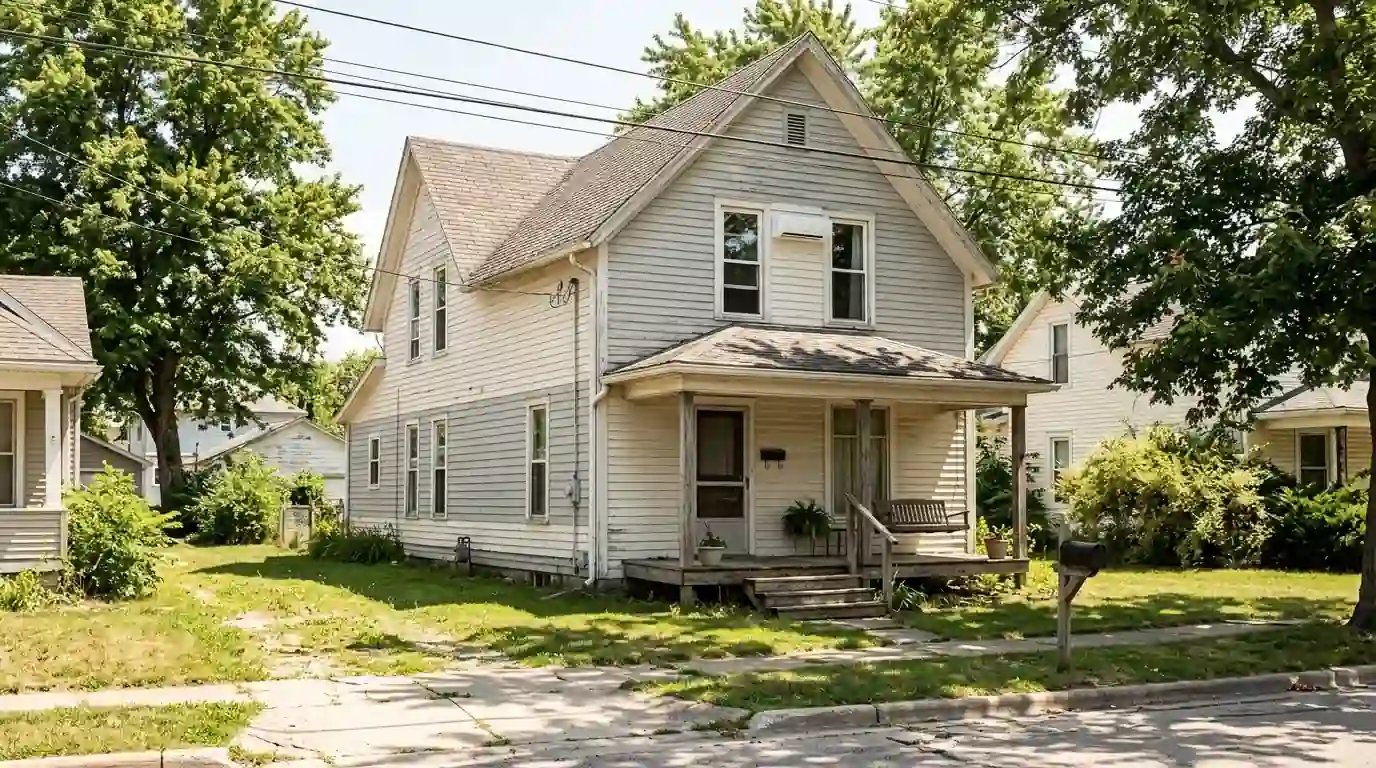
Houses built in the early 1900s were heated from the basement with gravity in mind. Warm air rose through big floor grates or radiators, and nobody expected to push cool air upstairs. When forced air arrived, ducts were squeezed into whatever space existed, often a single run up an interior wall to each bedroom and no return on the second floor at all. Add central air to that layout and the cold air settles downstairs while the upstairs stays warm and stuffy all summer.
Ductless mini-splits solve that problem neatly. A slim wall unit in each upstairs room or one ceiling cassette in a hallway cools without new ducts, and a single outdoor unit can serve several heads. In winter, the same equipment adds heat to rooms the furnace never reached well. For owners who prefer hidden equipment, small-duct high-velocity systems fit tubing through closets and attic space with small round outlets that blend into the ceiling.
Comfort fixes Waterloo owners ask us about
Waterloo's older housing stock leads to a steady list of upgrade and repair calls.
Upstairs bedrooms too hot to sleep in
We size ductless heads or a small-duct system for the second floor after measuring the rooms and attic. Most owners retire their window units the same season.
Dry, staticky air all winter
Old houses leak air, and cold outdoor air holds little moisture. A bypass or steam humidifier on the furnace brings indoor humidity back toward 30 to 40 percent, depending on the outdoor temperature.
Furnace replacement in a tight basement
Old basements have low ceilings and narrow stairs. We plan the new furnace, venting and duct transition around the space, and add a return where the house lacks one.
Thermostat that cannot handle two systems
When a house runs a furnace downstairs and ductless upstairs, a smart thermostat and proper settings keep the two from fighting each other.
Planning comfort upgrades in a Waterloo railroad house
Upgrades in older Waterloo homes go best when they are planned in the off-season. Spring and early fall give us time to measure the rooms, check the attic and look at your electrical panel before recommending ductless heads or a small-duct system. Indiana Michigan Power and NIPSCO both run rebate programs that change from year to year, and we will tell you which ones apply at the time of your project.
Breakdowns, of course, do not wait for a good season. If your furnace stops, call (260) 283-0173 at any hour. We answer 24/7 and the drive up I-69 is straightforward. Have the furnace brand and any status light code ready, and check the filter and thermostat first. If a gas smell or carbon monoxide alarm is involved, get everyone outside before calling.
Waterloo questions
How much does ductless cooling cost for the upstairs of a Waterloo home?
A multi-zone ductless system covering two or three upstairs rooms typically runs $5,785 to $11,495 depending on the number of heads, line set length and electrical work. A single room is less. Those are typical ranges, and the real price depends on the visit, where we measure rooms and check the panel and attic.
Will a humidifier help the dry air in my older Waterloo house?
Yes, within limits. A whole-home humidifier on the furnace adds moisture evenly, which eases dry skin, static and gapping wood floors. In a drafty older house we aim for 30 to 40 percent so windows do not sweat on the coldest nights. Installation typically runs $585 to $1,395 depending on the model.
Can I keep my furnace and add mini-splits upstairs in Waterloo?
Absolutely, and many Waterloo owners do exactly that. The furnace keeps heating the first floor and basement through the existing ducts, while ductless heads cool the second floor and add heat on shoulder-season days. We set up the controls so both systems work together rather than against each other.
Is Landcons available nights and weekends for Waterloo furnace failures?
Yes. We answer 24/7, weekends and holidays included. Waterloo is about 25 miles north of our downtown office, close to Auburn off I-69. When you call, share the furnace brand and any blinking light code so the technician brings the right parts and can usually finish the repair on the first visit.