In North Manchester we repair gas and propane furnaces, service hot water boilers in older frame homes, add central air or ductless cooling where ducts are thin, and replace aging equipment in the newer houses at the edges of town. The town sits about 35 miles southwest of our downtown office, and our phone is answered 24/7 for no-heat and no-cool calls.
North Manchester is a Wabash County town of about 5,000 on the Eel River, and Manchester University gives it a steady rhythm of move-in weeks and semester breaks. The housing here splits two clear ways. Close to downtown you find older wood-frame homes, many of them two stories with a basement that has seen several generations of heating equipment. Out toward the edges of town the houses are newer, with forced air furnaces and central air installed when they were built.
From our office at 121 W Wayne Street in Fort Wayne, North Manchester is roughly 35 miles southwest, so we treat each visit as a planned trip rather than a quick hop across town. That means a few questions on the phone first: what fuel you burn, the age of the furnace or boiler, and what it is doing right now. Good answers let the technician load the right igniter, pressure switch or circulator before leaving, which matters when the nearest parts counter is far away.
Frame houses by the Eel River and what their basements hide
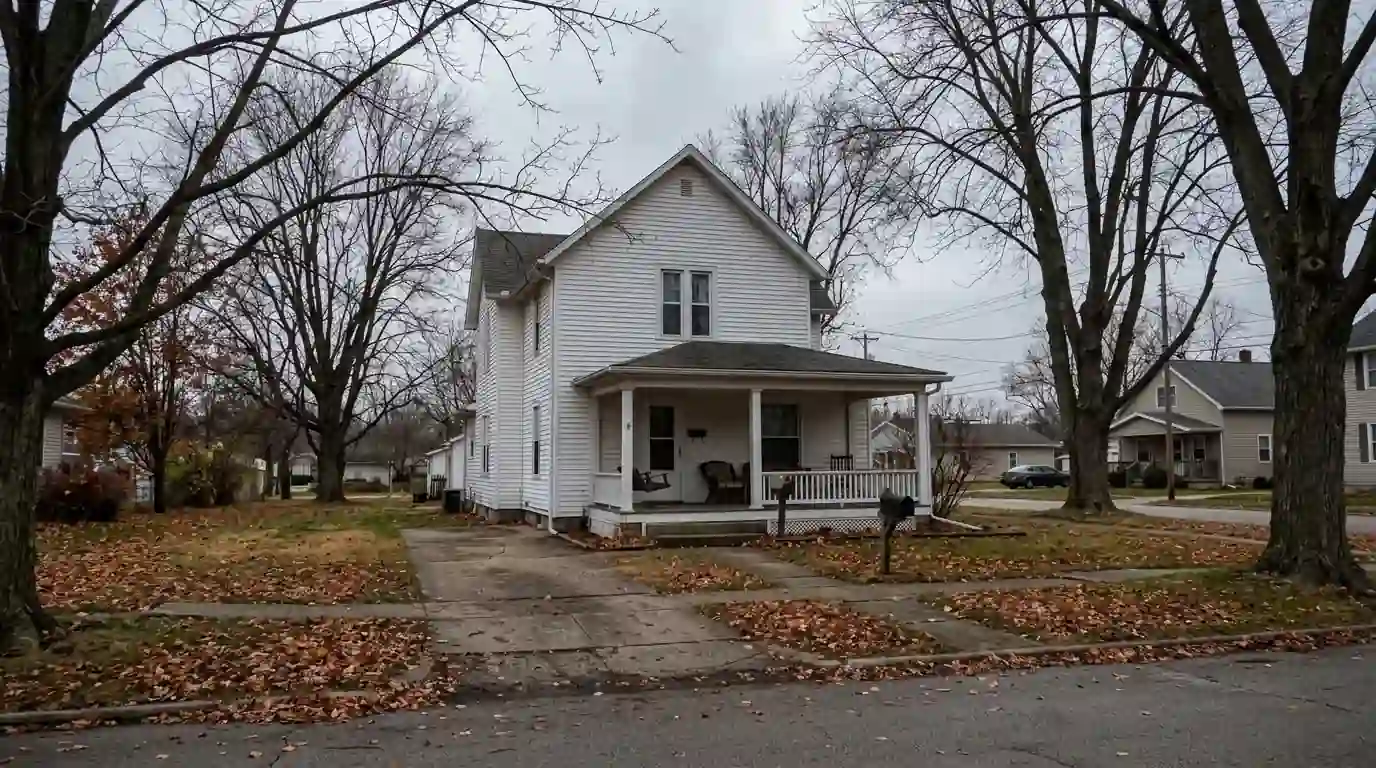
An older frame home near downtown North Manchester rarely has the system it was built with. Many started with a coal furnace or boiler, moved to oil or gas, and picked up a blower and new ductwork along the way. We often find a newer furnace connected to a mix of old round pipes and newer rectangular runs, with one small return grille in a central hallway on the first floor. The result is a house where the downstairs feels fine and the back bedrooms upstairs lag several degrees behind, because the return cannot pull enough air to keep everything moving.
The newer houses on the edges of town bring a different set of questions. Their furnaces and condensers were often installed together, so both reach the end of their lives around the same time. Builder-grade blowers that were never adjusted for the actual duct system, single-stage gas valves and condensers with a few summers of cottonwood and grass clippings packed into the coil are common. In those homes we spend more time on replacement planning: sizing with a load calculation, matching the indoor coil to the outdoor unit, and fixing duct leaks before new equipment goes in.
Why North Manchester households pick up the phone
Most of our North Manchester visits fall into a handful of patterns, and knowing them helps us arrive with the right parts.
Furnace runs but upstairs stays cold
In older two-story homes this usually traces back to one undersized return and supply runs that were never balanced. Adding a return upstairs and adjusting dampers often fixes more than a bigger furnace would.
Hot water boiler losing pressure
Boilers in older houses drop pressure from a leaking relief valve, a tired fill valve or a waterlogged expansion tank. We find which one, replace the part and bring the system back to proper cold fill pressure.
Rental turnover tune-ups
Houses near Manchester University change tenants often, and filters and drain lines get forgotten in between. A tune-up before move-in catches clogged condensate traps, dirty flame sensors and missing CO alarms.
Replacing matched furnace and AC sets
When both pieces are the same age in a newer home, we price repair against replacement and show you the numbers. Many owners replace both at once to keep the coil and condenser matched.
Making a 35-mile service trip work for you
Because North Manchester is a longer drive, we try to solve the problem on the first visit. When you call (260) 283-0173, tell us the brand on the furnace or boiler, what the status light is doing and whether you heat with natural gas or propane. A phone photo of the data plate is even better. Our line is answered 24/7, holidays included, and we give you an honest arrival window based on the hour and the roads.
While you wait on a cold night, check the thermostat batteries, the furnace switch near the basement stairs and the filter. Close curtains on the north side of the house and keep interior doors open so the warm rooms share heat. If you smell gas or a carbon monoxide alarm sounds, leave the house first and call from outside.
North Manchester questions
How fast can Landcons reach a no-heat call in North Manchester?
North Manchester is about 35 miles from our downtown office, so arrival time depends on the hour, the weather and the calls already on the board. We answer 24/7 and give you a real window when you call. Sharing the furnace model and fuel type up front helps us bring the right parts and finish on the first trip.
Why is the upstairs of my older North Manchester house colder than downstairs?
Older frame homes often have one central return and long supply runs to the second floor. Warm air rises, but without a return upstairs the air has nowhere to go and the rooms stall. We measure airflow at each register, then suggest an added return, damper balancing or a ductless head for the coldest rooms.
What does furnace repair usually cost in North Manchester?
Common furnace repairs such as an igniter, flame sensor, pressure switch or inducer motor typically run $185 to $695 installed, with diagnosis typically $89 to $149. Those are typical ranges. The real price depends on the furnace, the part and what we find on the visit, and we tell you the price before starting work.
Can a North Manchester landlord set up regular HVAC visits between tenants?
Yes. Owners of rentals near Manchester University often book a spring cooling check and a fall heating check through one of our maintenance plans. We change filters, clear drain lines, test safety controls and check CO alarms so problems are caught between tenants instead of during a cold snap.