A gas or propane furnace is safe when it burns cleanly and its exhaust leaves the house. Carbon monoxide becomes a danger when a heat exchanger cracks, a flue or vent is blocked or burners run poorly. Install UL 2034 listed CO alarms on every level and near bedrooms, and never ignore one: get everyone outside first, then call for help.
Where carbon monoxide comes from in a heated home
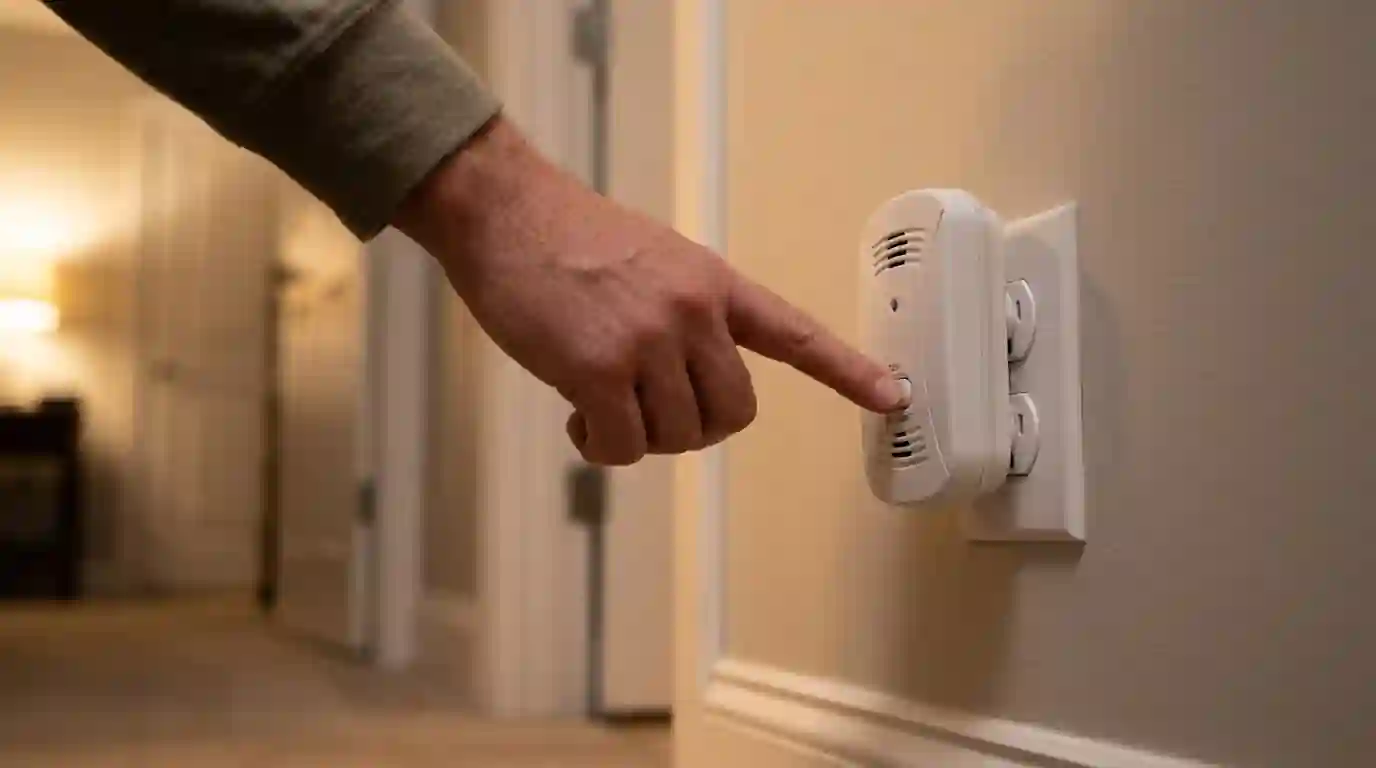
Carbon monoxide is a colorless, odorless gas produced when fuel burns without enough oxygen or when combustion is disturbed. Gas and propane furnaces, boilers, water heaters, ranges, fireplaces, generators and cars in attached garages can all produce it. You cannot see or smell it, which is why alarms matter so much.
A properly working furnace produces very little CO, and its venting carries exhaust safely outdoors. Problems start when something goes wrong with combustion, the heat exchanger or the vent. In a heating season that runs roughly October through April, with the house closed up tight, those problems have more time to build.
The furnace is not the only suspect. Gas water heaters share the basement and often the same flue, attached garages let car exhaust drift in through the house door, and portable generators run during winter power outages are a well-known cause of CO poisoning when placed too close to windows, doors or vents. When an alarm sounds, every fuel-burning appliance and engine near the house is on the list until it is ruled out.
Rural homes on propane carry the same risks as natural gas homes. Propane appliances need the same yearly combustion check, and the same alarm placement applies.
Cracked heat exchangers and other furnace failures
The heat exchanger is the metal chamber inside the furnace that keeps burner exhaust separate from the air your blower moves through the house. Years of heating and cooling cycles can crack or corrode it, especially on furnaces that overheated because of dirty filters or poor airflow. A cracked heat exchanger can let combustion gases mix with house air or disturb the burner flame.
Other furnace problems that raise CO include burners out of adjustment, dirty or misaligned burners, the wrong gas pressure, a failing inducer motor and a cracked or disconnected vent pipe. A technician tests for these with a combustion analyzer and a visual inspection. A carbon monoxide and combustion test typically runs $89 to $169, and the real price depends on the visit.
Blocked flues and vents in heavy snow
We average about 30 inches of snow in a typical winter, and drifts are the most common seasonal CO concern we see. High-efficiency furnaces often vent through white PVC pipes on a side wall near the ground. When snow or ice covers those pipes, the furnace usually shuts itself off, but a partly blocked vent can still cause trouble before the safety switch catches it.
Older 80% furnaces and water heaters vent up a metal flue or a chimney. Bird nests, fallen liner pieces, crumbling masonry and ice at the cap can block them. In older neighborhoods, a water heater left alone in an oversized chimney after a furnace upgrade can draft poorly, which is why a liner is often needed.
- Brush snow away from sidewall intake and exhaust pipes after every storm
- Never stack snow or firewood against vent terminations
- Watch for icicles forming on or near the exhaust pipe
- Have chimney flues and liners checked when equipment is replaced
Choosing and placing CO alarms
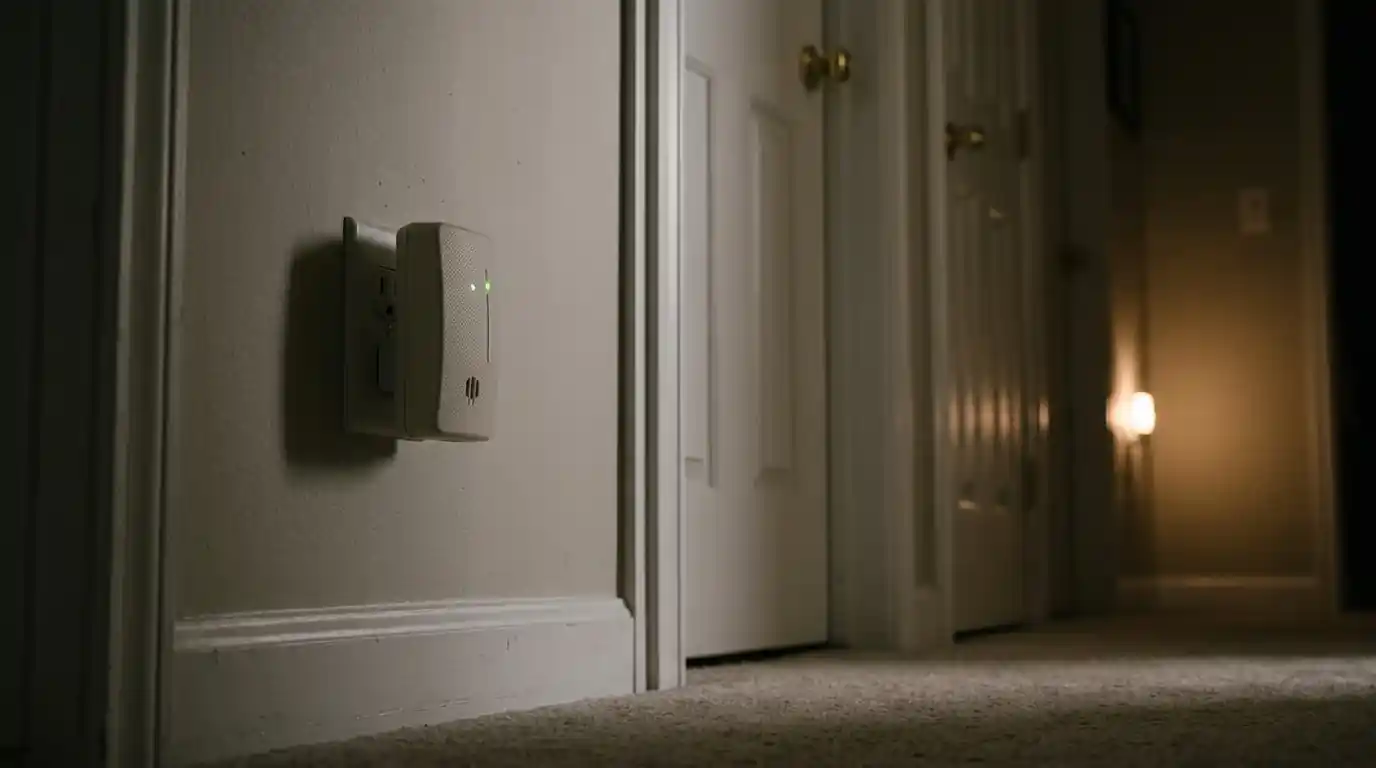
Look for carbon monoxide alarms listed to UL 2034, the standard for residential CO alarms in the US. Plug-in units with battery backup, battery units with sealed long-life batteries and combination smoke and CO alarms all work, as long as they carry that listing. Alarms with a digital display can show low readings that would not yet set off the alarm.
Follow the manufacturer's placement instructions, which usually call for an alarm on every level of the home and one outside each sleeping area. Keep them out of dead air spots and away from the furnace's immediate area, where brief startup readings can cause nuisance alarms. Replace them at the end-of-life date printed on the unit, often somewhere between 7 and 10 years.
- One alarm on every level, including the basement
- One alarm in the hallway outside each sleeping area
- Test monthly with the test button
- Write the install date on the back of each alarm
Symptoms of carbon monoxide exposure
Low-level CO exposure often feels like the flu without a fever. Several people or pets in the house feeling sick at the same time, and feeling better when they leave, is a strong warning sign. Higher levels can cause confusion, loss of consciousness and death, so symptoms are never something to sleep off.
- Headache, often dull and persistent
- Dizziness, weakness or unusual tiredness
- Nausea or vomiting
- Shortness of breath or chest tightness
- Confusion or blurred vision
What to do when a CO alarm goes off
Never ignore a carbon monoxide alarm and never assume it is broken. Get everyone, including pets, outside into fresh air right away. Call 911 from outside, especially if anyone has symptoms, and let the fire department test the home. If you suspect a gas leak as well, your gas utility also has an emergency line.
Do not go back inside until responders say it is safe. Once the source is identified and the appliance is shut off, call us to find and fix the cause. Landcons answers 24/7, every day, including holidays, and we will not restart a furnace that fails a combustion or heat exchanger check.
Prevention you can count on every heating season
Yearly furnace maintenance is the best way to catch CO risks early. Our fall tune-up includes a burner check, gas pressure test, heat exchanger inspection, vent and flue check and combustion readings. A tune-up typically runs $89 to $159, and the real price depends on the visit.
Between visits, keep filters clean, keep vents clear of snow, never run a generator, grill or car in a garage even with the door open, and do not use a gas oven to heat the house. If your furnace is older and has needed repeated repairs, ask us to look closely at the heat exchanger. Call (260) 283-0173.
More questions on this topic
Can a cracked furnace heat exchanger cause carbon monoxide without setting off an alarm?
It can produce low levels that stay under an alarm's trigger point for a while, which is why low-level display alarms and yearly combustion testing are worth having. A crack can also grow or shift with temperature, so readings change from cycle to cycle. If a technician finds a cracked heat exchanger, the furnace should be shut down until it is repaired or replaced.
Where should carbon monoxide alarms go in a home with a basement furnace?
Put one on the basement level, though not right beside the furnace, plus one on each upper level and one in the hallway outside every sleeping area. Follow the manufacturer's spacing instructions. Homes with an attached garage should also have an alarm in the area near the door to the garage.
Should the furnace be turned off after a carbon monoxide alarm?
If you can do it on your way out without delay, turning the thermostat off is fine, but getting everyone outside comes first. Do not stay inside to troubleshoot. Let the fire department test the air, then have a technician inspect the furnace, water heater and venting before anything is restarted.